
A healthy and attractive smile has a greater impact than you might think, from first impressions to social interactions. Nowadays, it is not just appearance but oral health that has become an important part of self-confidence. For this reason, dental problems, particularly rotten teeth, must be taken seriously from both an aesthetic and a health perspective.
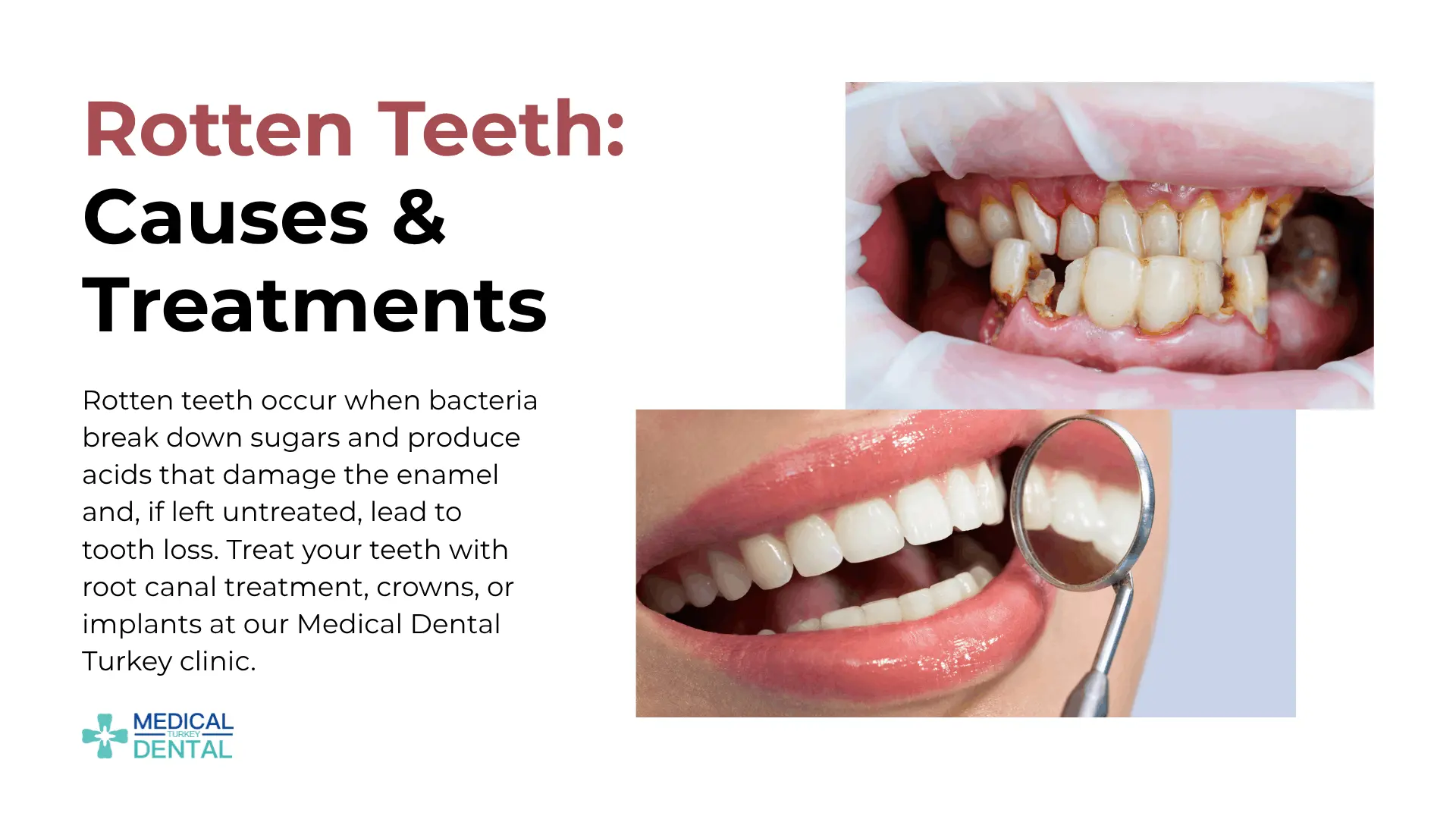
Rotten teeth occur when bacteria in the mouth break down sugars from food to produce acid. Over time, these acids damage the outer layer of the tooth, causing small lesions that can develop into cavities as the process progresses. This process accelerates when oral hygiene is inadequate and sugary foods are consumed frequently.
If left untreated, tooth decay does not remain merely a minor issue; it can lead to consequences ranging from toothache and infection to, in severe cases, tooth loss. Moreover, this condition affects everyone, from children to the elderly. Whilst cavities that develop early in young children can progress rapidly, the risk of tooth decay forming on root surfaces increases with age due to receding gums.
For this reason, it is crucial to consult a dentist without delay if tooth decay is suspected and to maintain regular oral hygiene habits. If you have decayed teeth and are looking for treatment options, please read on.
What are rotten teeth?
What are rotten teeth? Rotten teeth occur when acid produced by bacteria accumulating on the tooth surface gradually erodes the tooth. So it's not just about a "dirty tooth", but a chemical erosion process. This process begins with small stains, then develops into cavities. If left untreated, it penetrates deeper and can progress to infection. In short, rotten teeth are a simple problem if caught early but a serious problem if left untreated.
What causes rotten teeth?
Rotten teeth occur when bacteria that accumulate in the mouth feed on sugar and starch and produce acid. When teeth are not cleaned regularly, a sticky layer of bacteria called plaque forms, significantly increasing the risk of decay. This acid erodes the tooth enamel over time, and if the process is not controlled, the decay progresses to the dentin and eventually to the pulp. As decay progresses, darkening of the tooth colour, sensitivity to hot and cold, and pain occur. The most common causes are inadequate oral hygiene and frequent sugar consumption.
What are the signs of rotten teeth?
Tooth decay usually starts silently. But the body doesn't stay completely silent; it gives small signals. The first signs often appear as mild sensitivity, discoloration, and occasional throbbing pain. So you don't need to wait for severe pain. If you catch it early, you can solve the problem before it gets worse.
The most common symptoms are:
- Sensitivity to hot, cold, or sweet foods
- Pain when biting or chewing
- White, brown, or black spots on the tooth
- Bad breath
- Bad taste in the mouth
If you notice these signals, your chances of saving your tooth are very high. But if you ignore them, a simple problem can turn into a serious treatment.
How are rotten teeth treated?
Treatment for rotten teeth depends on how far the damage has progressed. Whilst simple treatments are sufficient in the early stages, more extensive treatments are required in advanced cases.
Fluoride treatments
If rotten teeth are still in their early stages, the dentist will usually recommend fluoride applications (a mineral that strengthens the enamel). This procedure strengthens the outer layer of the tooth and makes it more resistant to acids.
Filling treatment
If there is now a visible cavity in the tooth, the most common solution is a filling. The dentist removes the decayed tissue and then fills the resulting cavity with a special material. This procedure both protects the tooth and restores its function.
Root canal treatment
If the decay or rotten teeth condition has reached the centre of the tooth—the area containing the nerves and blood vessels known as the 'pulp'- root canal treatment is required. In this procedure, the infected tissue is removed, and the canals are cleaned and filled. The aim is to save the tooth without extracting it.
Crown or veneer treatment
Dental crowns and veneers are one of the most powerful ways to save a tooth affected by advanced decay without losing it. When applied correctly, they provide both an aesthetic appearance and protect the tooth for years.
E-max crowns offer a natural look on front teeth thanks to their light transmission, while porcelain options withstand high chewing pressure, especially on back teeth.
If you want to have porcelain veneer and crown treatment in Antalya, you can receive treatment with personalised aesthetic and functional solutions at our Medical Dental Turkey clinic. These treatments offered in Antalya stand out with both accessible cost advantages for international patients and high clinical quality standards.
Dental implants
When advanced rotten-tooth cases have reached a stage where the tooth can no longer be saved, the most permanent solution is usually dental implants. This method involves not only “replacing” the lost tooth but also reconstructing the root-crown structure of a natural tooth.
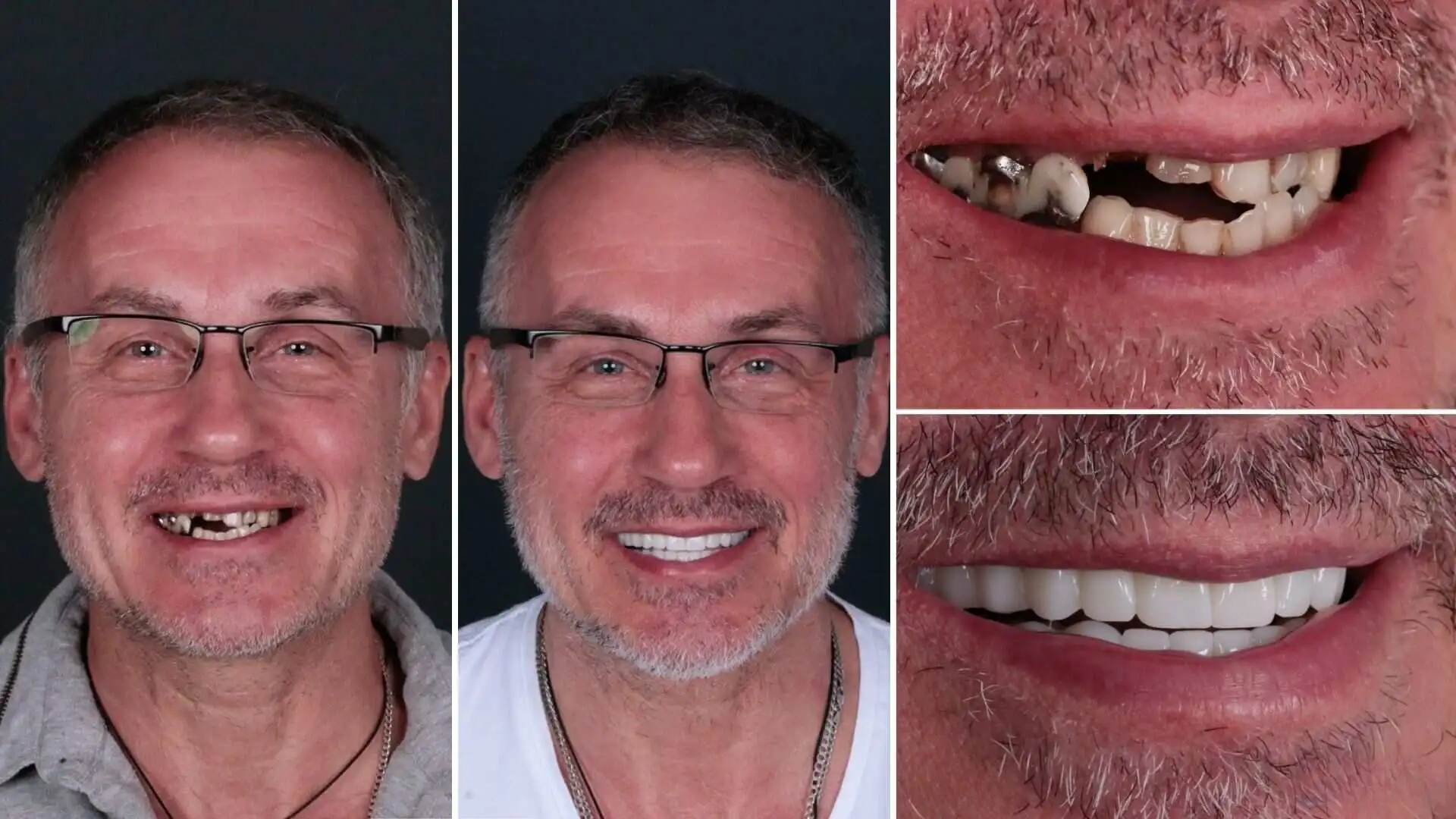
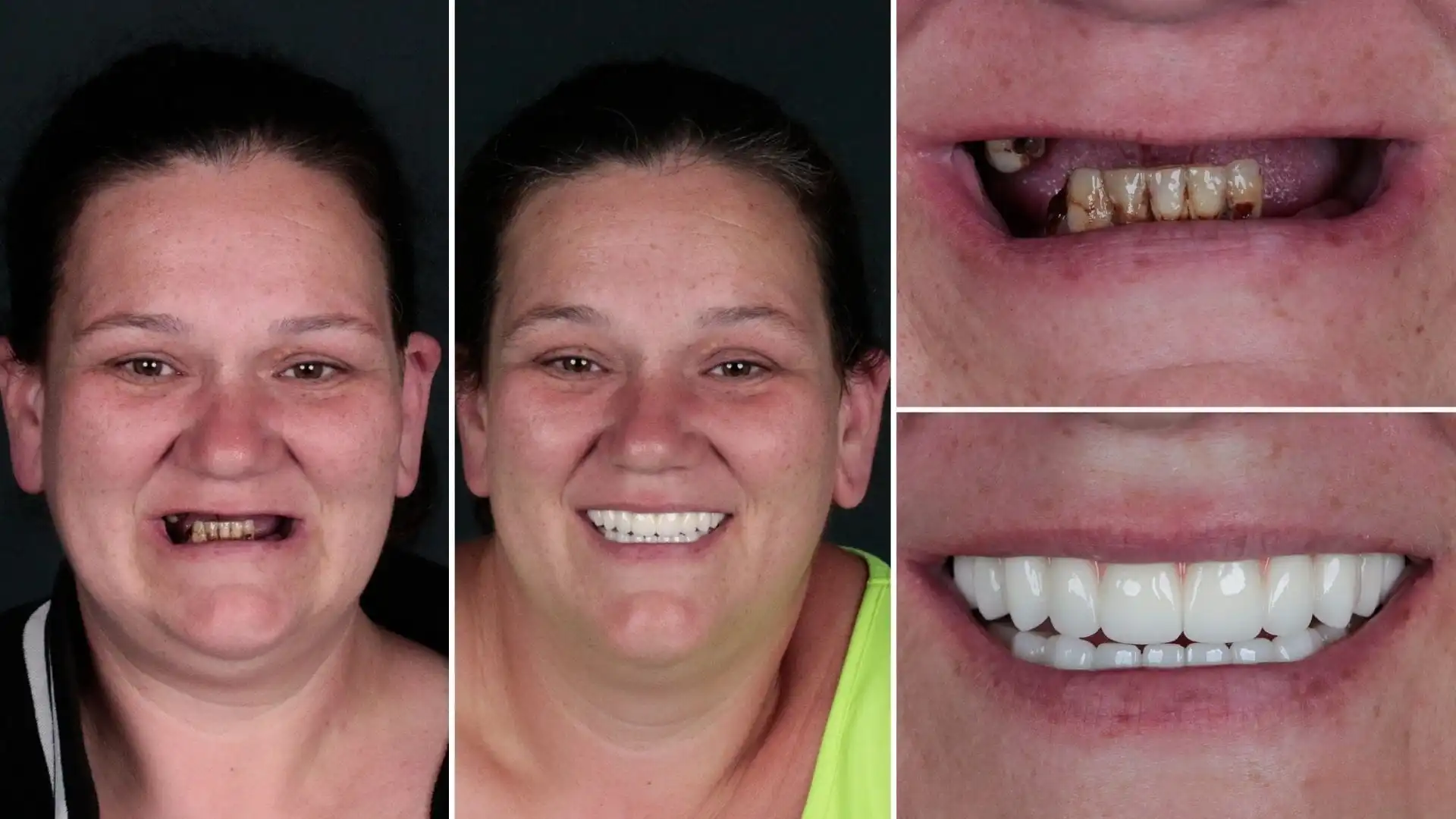
Alternatives such as bridges or dentures are also considered. However, as the implant is fixed to the jawbone, it generally stands out as a more stable and long-lasting solution.
How can you prevent rotten teeth?
Tooth decay often starts silently, but it's completely preventable with the right habits. It's essentially about keeping your teeth "under protection." Just as a house deteriorates without regular maintenance, teeth weaken over time if neglected. The good news is that simple but regular steps can significantly halt this process.
- Brush your teeth at least twice a day with fluoride toothpaste.
- Each brushing should last about two minutes.
- Float or brush between your teeth daily.
- Sugary foods and drinks are one of the biggest triggers for rotten teeth.
- Also, some medications may contain hidden sugars. Therefore, it's important to check ingredient labels.
- Dental visits allow for the detection of decay before it even begins.
- Smoking and excessive alcohol consumption negatively affect oral health.
- If you experience a constant feeling of dryness in your mouth, this should not be ignored. Because saliva is a natural cleaning fluid that protects teeth. When it decreases, the risk of decay increases.
Conclusion
Preventing tooth decay is not a complicated process. Regular brushing, proper nutrition, and routine checkups, when combined, create a strong protective shield. In short, your daily oral hygiene routine is the most effective way to prevent tooth decay and protect your long-term dental health.
If you have decayed teeth or are experiencing tooth loss, early intervention increases the success of treatment. You can contact us to learn about treatment options offered with modern approaches in Antalya and to evaluate the most suitable solution for you. Implant and other alternative treatment plans for missing teeth are prepared individually to help recreate a healthy oral structure.