
Does the dental implant brand really matter?
Yes, the brand of the implant is important. However, the brand alone does not determine the success of the treatment. The quality of the implant material, its support through clinical research, and the suitability of the system used for the patient are all important, as is the dentist's proper planning and execution.
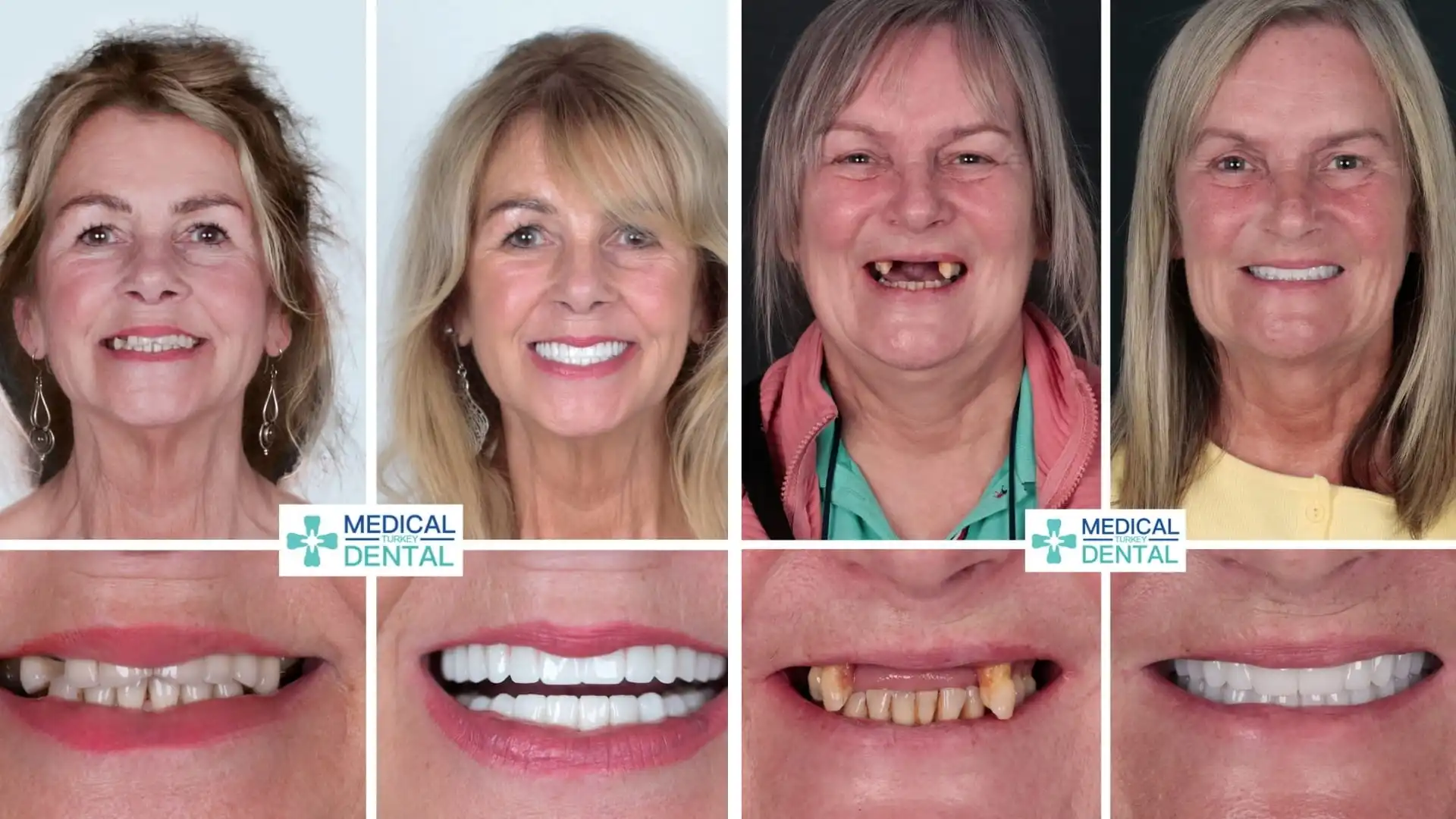
Not all implant systems have the same characteristics. Manufacturers develop different implant designs and surface technologies. They may also provide dentists with training and technical support for the application of their own systems. You can think of an implant as the foundation of a building: high-quality materials are important, but the foundation must also be placed in the right location and using the correct technique.
What makes a dental implant brand reliable?
A reliable dental implant brand is not merely a well-known name. Long-term clinical data, biocompatible materials, documented manufacturing standards and the availability of replacement parts following treatment must all be considered together. You can think of choosing a brand in the same way as choosing a car: not just by its logo, but by its safety tests, engineering and the availability of spare parts years down the line.
Clinical research and long-term evidence
It is important for an implant system to be backed by independent clinical studies and long-term follow-up data. New technology alone does not guarantee superiority. Research shows that factors such as the patient, bone structure and clinical practice also play a significant role in implant success. PubMed
Biocompatibility and surface technology (material quality)
The material quality and biocompatibility of the implant are important in terms of its compatibility with tissues and long-term success. Titanium and titanium alloys are the most commonly used materials; zirconia may be an alternative in some cases. The surface properties of the implant also play a role in the osseointegration process, whereby the bone fuses with the implant.
Titanium
Titanium is the most commonly used material in dental implants. It is biocompatible, corrosion-resistant and can integrate strongly with bone.
Titanium alloys
Titanium alloys can provide higher mechanical strength compared to pure titanium. Thanks to these properties, they can be used in different implant designs.
Titanium-zirconium alloy
Alloys combining titanium and zirconium aim to combine high strength with biocompatibility. Roxolid® is one of the commercial examples in this group.
Zirconia
Zirconia is a metal-free, white-coloured implant material. It may be considered as an alternative to titanium in certain clinical situations.
Implant surface technology
The surface properties of an implant play a significant role in the osseointegration process, whereby the bone fuses with the implant. Well-designed surfaces can support bone formation and implant stability; therefore, it is important that surface technology is supported by clinical evidence.
Certifications and quality standards
Reliable manufacturers should be able to provide the necessary quality and safety certificates regarding the materials, production and use of implant systems. It is also important for the patient to know the brand and model of the implant used in their treatment. A certificate alone is no guarantee of success; however, it is important in terms of the product's traceability.
Warranty and availability of spare parts
An implant may remain in the mouth for many years, but the prosthesis or connecting components may require maintenance at a later date. It is therefore important that the brand's abutments, screws and other compatible parts remain available in the future. A good implant system is one that can not only be placed today but also maintained years later.
Which implant brands should you avoid?
It is not correct to label a specific brand of implant as ‘bad' outright. Instead, one should exercise caution regarding implant systems that lack traceability, do not provide sufficient clinical evidence, and for which long-term technical support is uncertain. As implants will remain in the mouth for many years, consideration must be given not only to their current price but also to their future maintenance.
Unbranded or untraceable implant systems
Implants whose manufacturer, model or product information cannot be verified should be avoided. The patient should be able to find out the brand, model and product information of the implant used after treatment via an implant passport or certificate.
Brands with limited clinical evidence
It is more difficult to assess the performance of implant systems for which there are no long-term clinical studies. The mere fact that a brand is popular or inexpensive does not indicate the implant's reliability.
Implants that do not meet the necessary quality standards
High-quality implant brands generally hold internationally recognised certifications. If an implant system lacks any quality certifications such as the CE mark, FDA approval or ISO 13485, this is a serious warning sign. These certifications indicate that the implant has been tested by independent bodies and meets specific safety and manufacturing standards.
Opting for an implant that lacks certification or cannot be verified is not merely a short-term risk — it creates uncertainty regarding both treatment and liability in the event of future complications.
Systems with limited spare parts and technical support
Whilst the implant itself may last for many years, the screw, abutment (the connecting piece on top of the implant), or prosthetic components may require maintenance in the future. For this reason, an implant system with readily available spare parts and sustainable technical support should be chosen.
Which are the most established dental implant brands?
In the dental implant sector, implant systems that have been in use for many years—such as Straumann, Nobel Biocare, Astra Tech and Osstem—stand out. These brands offer a variety of materials, surfaces and implant designs. However, the most suitable brand should be selected not solely on the basis of brand recognition, but according to the patient's bone structure, treatment plan and the dentist's clinical assessment.
Straumann
Straumann is one of the long-established dental implant manufacturers, based in Switzerland and with a long clinical history. The brand is recognised not only for its implant systems, which are supported by clinical research, but also specifically for its Roxolid® titanium-zirconium alloy and SLActive® surface technology.
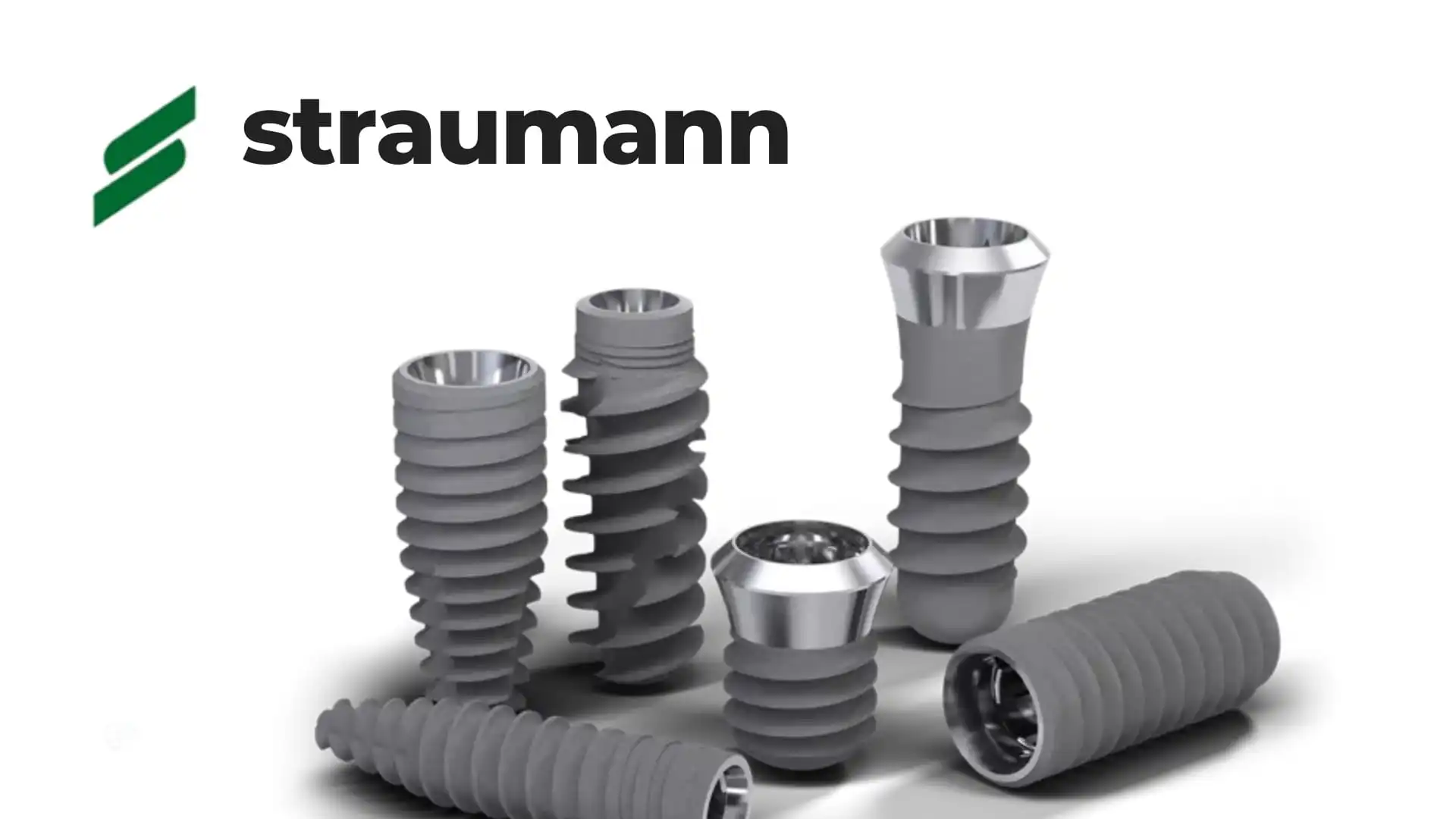
Key advantages:
- Implant systems backed by long-term clinical research
- The Roxolid® alloy, developed for high mechanical strength
- The SLActive® surface, developed to promote osseointegration
- Titanium and ceramic implant options
- A wide product range tailored to different clinical and prosthetic needs
Nobel Biocare
Nobel Biocare is one of the implant brands with a long clinical history that has played a significant role in the development of modern dental implantology. The brand is recognised for its extensive research, TiUnite® surface technology and the All-on-4® treatment concept used in full-arch rehabilitation.
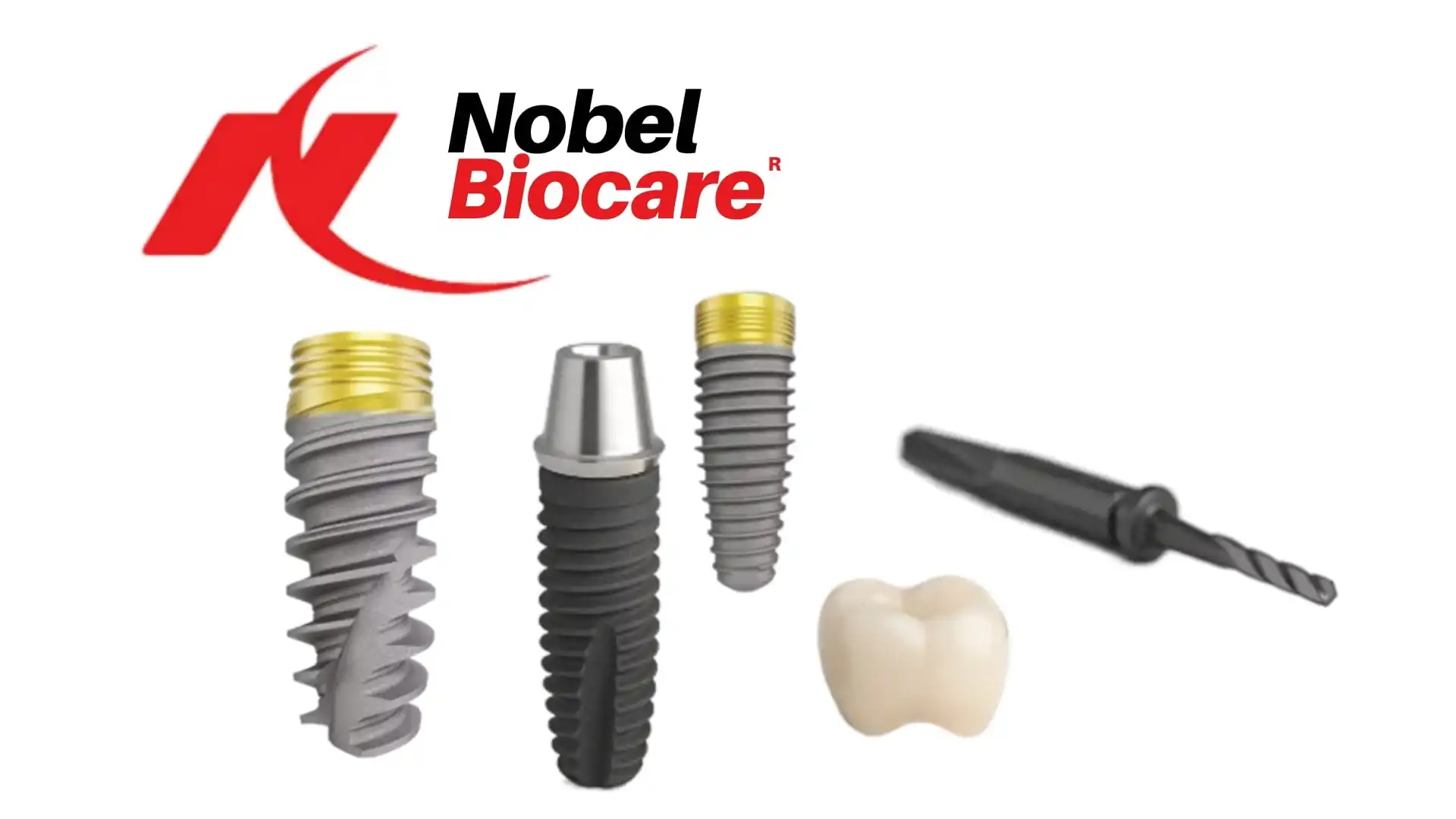
Key advantages:
- Over 50 years of clinical use and research history
- The TiUnite® surface, developed to support osseointegration
- Titanium implant options offering high durability
- A wide range of treatment options, from single-tooth to full-arch restorations
- Implant and prosthetic solutions developed for the All-on-4® concept
Astra Tech
Astra Tech implant system is an implant system—now part of Dentsply Sirona—backed by long-term clinical data. It is known for its OsseoSpeed® surface and conical connection design. The system can be used with single- or two-stage surgery in various clinical situations and offers a range of prosthetic options.
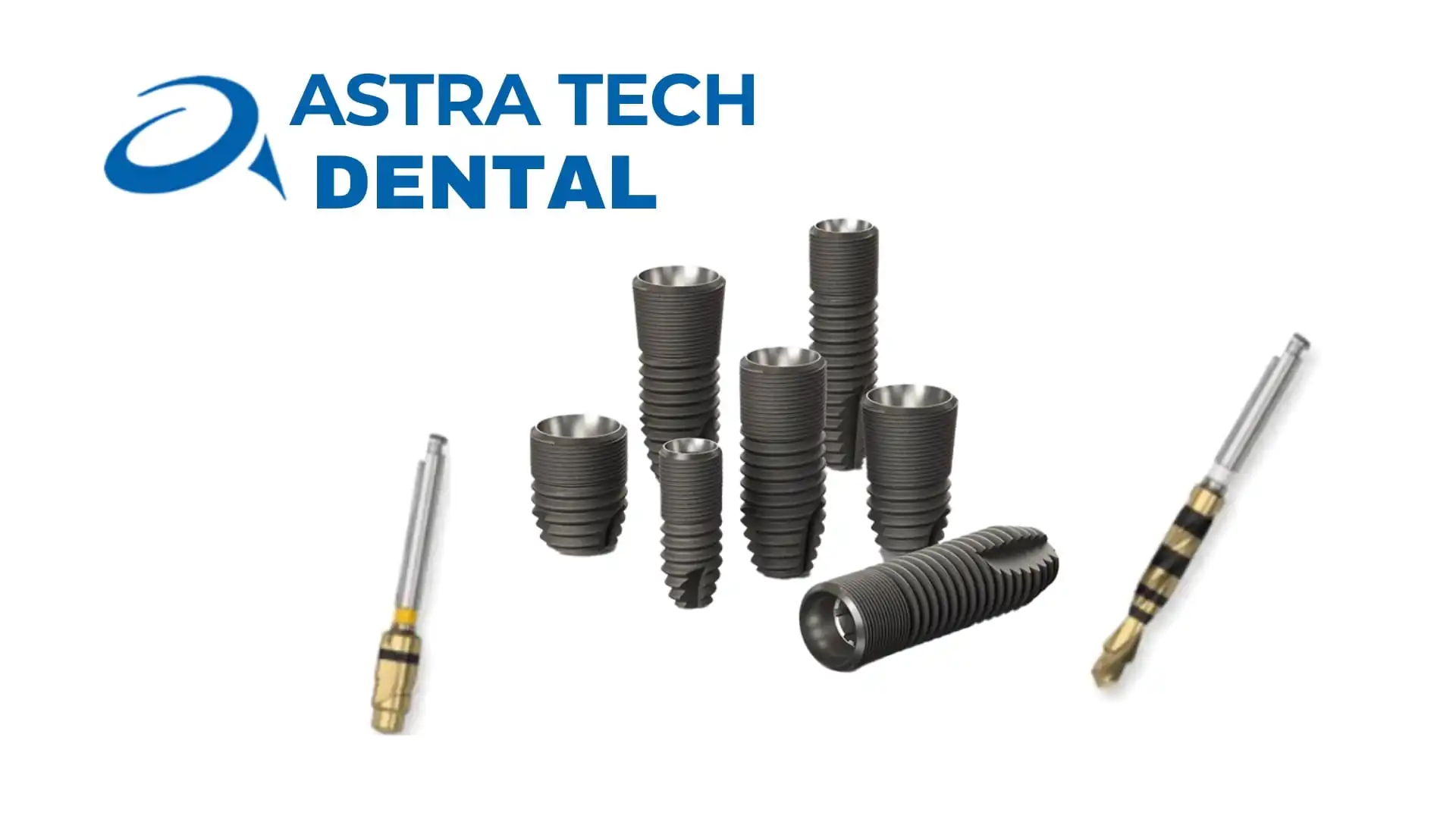
Key advantages:
- Clinical data supporting the preservation of marginal bone
- OsseoSpeed® surface technology
- Single- and two-stage surgical options
- Screw-retained and cement-retained restoration options
- Lifetime implant warranty provided by Dentsply Sirona
Osstem
Osstem, based in South Korea, is one of the international manufacturers offering implant systems tailored to different clinical needs.

Key advantages:
- A broad implant portfolio designed for a wide range of clinical scenarios
- Surface technologies developed to support osseointegration
- Implant designs suited to varying bone densities
- A wide range of prosthetic components
Neobiotech
Neobiotech, based in South Korea, is an international manufacturer that develops implant systems for different bone structures and clinical needs. The brand is particularly recognised for its implant designs and SLA surface technology.
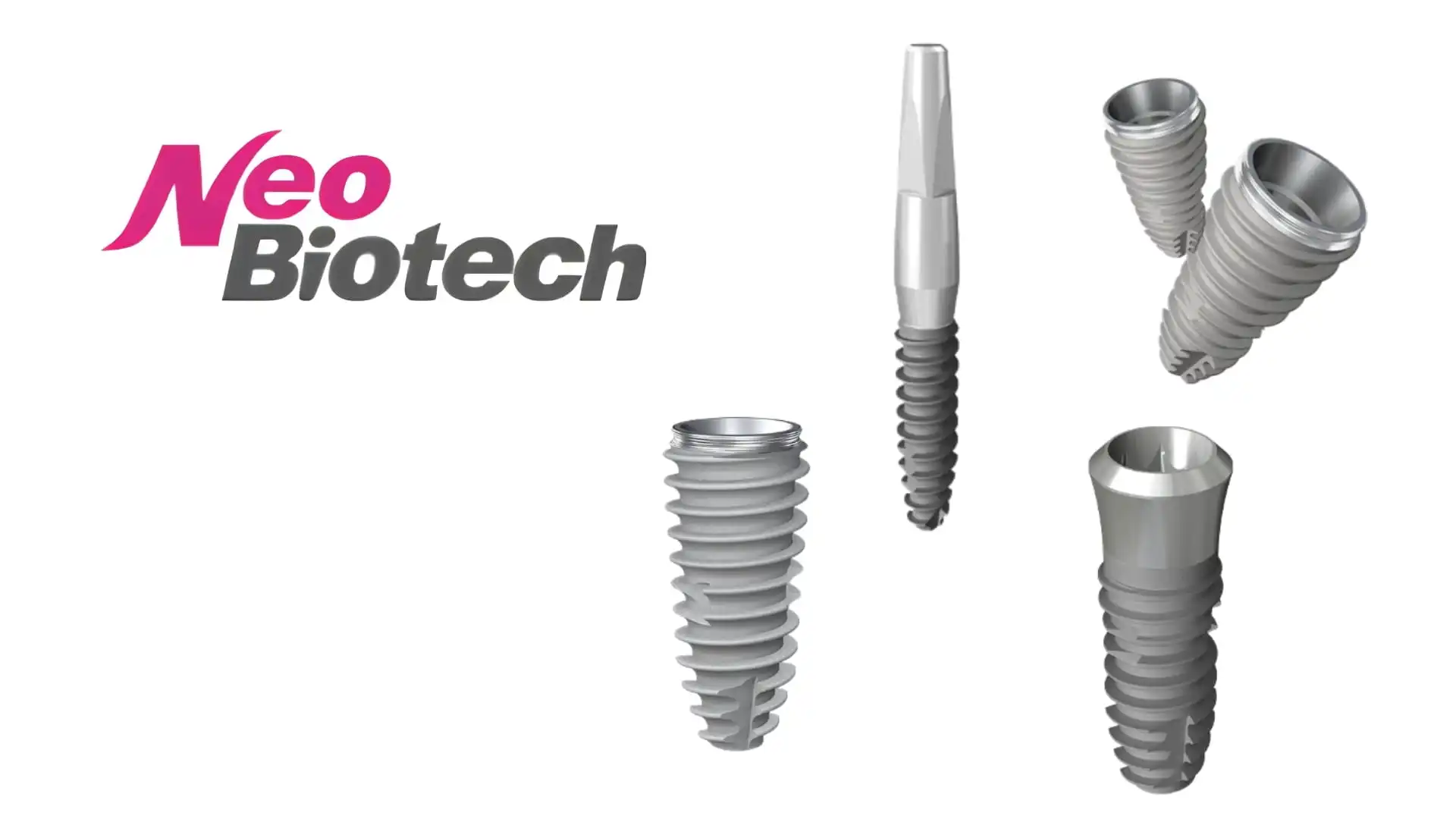
Key advantages:
- Implant designs tailored to different bone densities
- SLA surface options developed to support osseointegration
- Design features aimed at supporting primary implant stability
- System options suited to different surgical and prosthetic needs
How do you choose the right dental implant for you?
The right dental implant for you is not chosen based solely on brand or price. Your bone structure, the implant's clinical evidence, its material, the warranty terms and the experience of the dentist performing the treatment must all be assessed together.
At our dental clinic in Antalya, implant treatment is planned following a detailed examination and 3D imaging. Our dentists determine the most suitable implant system based on your clinical needs and share details of the implant's brand, model and warranty with you.
If you are considering dental implant treatment in Antalya, you can book a free initial assessment with Medical Dental Turkey to find out about the implants and treatment options best suited to you.
FAQs
There is no single ‘best' implant brand for everyone. Established systems such as Straumann, Nobel Biocare, Astra Tech and Osstem stand out due to their long clinical track records. However, the right choice depends on your bone structure, the type of treatment and your dentist's assessment.
With proper planning and regular maintenance, dental implants can remain functional for decades. Factors such as oral hygiene, gum and bone health, smoking habits and regular check-ups influence the lifespan of the implant. The crown or prosthesis (the superstructure) can be replaced over time.
Not necessarily. A higher price may reflect advantages such as a long clinical history, precision manufacturing, warranties and worldwide availability of spare parts. However, a high price alone does not guarantee a longer implant lifespan.
There is no single best brand for every patient in the UK, either. Systems with a long clinical history and widespread technical support can offer advantages. What truly matters is that the implant is suitable for the patient and is correctly planned by an experienced dentist registered with the GDC (General Dental Council).
No. Implant systems can differ in terms of clinical evidence, materials, manufacturing standards, traceability and spare part support. Therefore, looking solely at brand recognition or price is not sufficient.
Ask your dentist about the implant brand, model and the reasons for choosing it before the treatment begins. After the treatment, keep the document containing the implant's product and reference details. This information may prove important if maintenance or part replacement is required in the future.
Rather than focusing on specific brand names, be cautious of systems that lack traceability or sufficient clinical evidence, or those where long-term technical and spare part support is uncertain. When researching scientific evidence, you can check for published studies on the implant system in academic databases such as PubMed.
There is no single implant brand or type that guarantees the highest success rate for every patient. The outcome depends as much on bone and gum health, surgical planning, the dentist's experience and post-treatment care as it does on the implant system itself.

Medically reviewed by A.Selhan Kaya
Published on