
Can dental implants come loose? Yes, they can; however, this is not normal and should never be ignored. A dental implant is designed to act as an artificial tooth root, much like a strong anchor that holds a boat securely in place. If this anchor becomes loose, there is an underlying issue that needs attention.
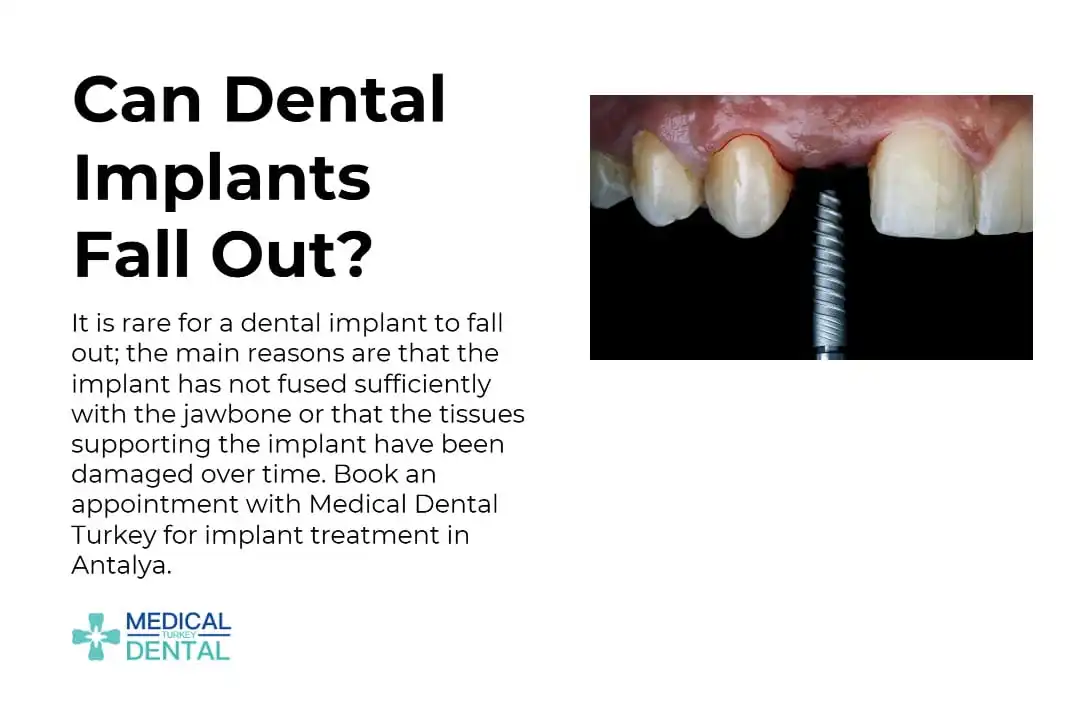
If your implant is wobbling slightly, or has fallen out completely weeks, months or even years after treatment, this could be a sign of problems such as implant failure, infection or bone loss. The good news is that early treatment usually prevents more serious complications and increases the chances of saving the implant or planning a successful replacement.
In this article, you will learn why dental implants can come loose, the warning signs to look out for, and the correct steps to take should such a situation arise.
What are the signs of a loose dental implant?
A healthy dental implant should feel just like a natural tooth. It should remain completely stable whilst chewing, speaking or when touched. The most common signs of a loose dental implant are as follows:
- Your tooth moving or wobbling when you bite down or touch it,
- Feeling pain or discomfort in your tooth whilst chewing,
- A clicking or slipping sensation in your implant,
- Swelling, redness or bleeding in the gums,
- A gap between the implant crown and the gum line,
- A strange taste or odour in the mouth.
If you experience any of these symptoms, schedule a dental check-up as soon as possible. The sooner the problem is detected, the easier it will be to save the implant.
Why might dental implants fail or become loose?
The main reason dental implants become loose or fail is that the implant does not integrate sufficiently with the jawbone, or that the tissues supporting the implant become damaged over time. The primary causes are:
Failure of the implant to integrate with the bone
For a dental implant to be long-lasting, it must integrate firmly with the jawbone. Put simply, the implant must anchor itself to the bone just like a natural tooth root. If this process fails, the implant screw may become loose or fall out over time.
Poor oral hygiene
Bacteria accumulating around the implant can cause inflammation of the gums. If regular brushing, flossing and professional cleaning are neglected, the tissues supporting the implant may be damaged. Smoking also increases this risk by slowing down the healing process.
Loose crown
Sometimes the problem lies not with the implant itself, but with the crown placed on top of it. Teeth clenching, teeth grinding or constantly chewing very hard foods can cause the connecting screw to loosen.
Peri-implantitis
If peri-implantitis left untreated, this can lead to bone loss and reduce the stability of the implant. Regular check-ups ensure this problem is detected at an early stage.
Chronic conditions
Diabetes, certain autoimmune diseases and medicines that affect bone metabolism can complicate the implant’s healing process.
What should I do if my dental implant falls out?
In such a situation, the first step is not to panic, but to identify which part of the implant has come loose and to contact your dentist as soon as possible. Keep the loose part safe, do not put any pressure on the area, and avoid chewing hard foods.
If only the crown has come loose
- The crown may become loose or fall out.
- Clean the loose crown and store it safely.
- Do not attempt to reattach the crown yourself.
- Your dentist can usually reattach the crown or, if necessary, replace it with a new one.
- If the problem is detected early, treatment is usually completed in a single appointment.
If the abutment has come loose
- If you feel the abutment (connecting screw) has come loose, try not to use the implant.
- Avoid chewing hard foods on that side.
- Your dentist can retighten the screw or replace it if necessary.
- The bone and tissues surrounding the implant will also be checked during the same appointment.
If the entire implant has come out
The metal body of the implant coming out of the bone is the most serious scenario and requires urgent assessment.
- Do not throw away the implant that has come out; take it with you.
- Do not put pressure on the area and do not try to reinsert the implant.
- Book an urgent appointment with your dentist as soon as possible.
- If necessary, the infection will be treated, the condition of the bone assessed, and a new implant planned at the appropriate time.
Most implant problems can be successfully resolved with early intervention. However, waiting after noticing loosening or a loss of the implant can lead to bone loss and the complete loss of the implant. Therefore, the best approach is to seek professional assessment as soon as you notice the problem.
How can I prevent dental implant failure?
The best way to prevent your dental implant from coming loose is to follow your daily aftercare routine. The precautions you should take are as follows:
- Maintain good oral hygiene every day. Brush your teeth twice a day, use dental floss and, if necessary, support your oral care with an antibacterial mouthwash.
- Follow your dentist's advice during the healing period. Avoid eating hard, crunchy or sticky foods.
- Avoiding unnecessary strain on the implant during the first few weeks helps it to integrate healthily with the bone.
- Pay attention to your diet. Foods rich in protein, calcium and vitamin D support bone and gum health.
- If you smoke, give it up. Smoking slows down the integration of the implant with the jawbone and can increase the risk of infection.
- If you suffer from teeth grinding or clenching, take precautions. Wearing a night guard reduces the excessive force exerted on the implant.
- If you take part in contact sports, wearing a mouthguard will also protect your implant from impacts.
- Do not neglect your dental check-ups. Check-ups, usually carried out at 3–6-month intervals during the first year, ensure that any potential problems are detected early.
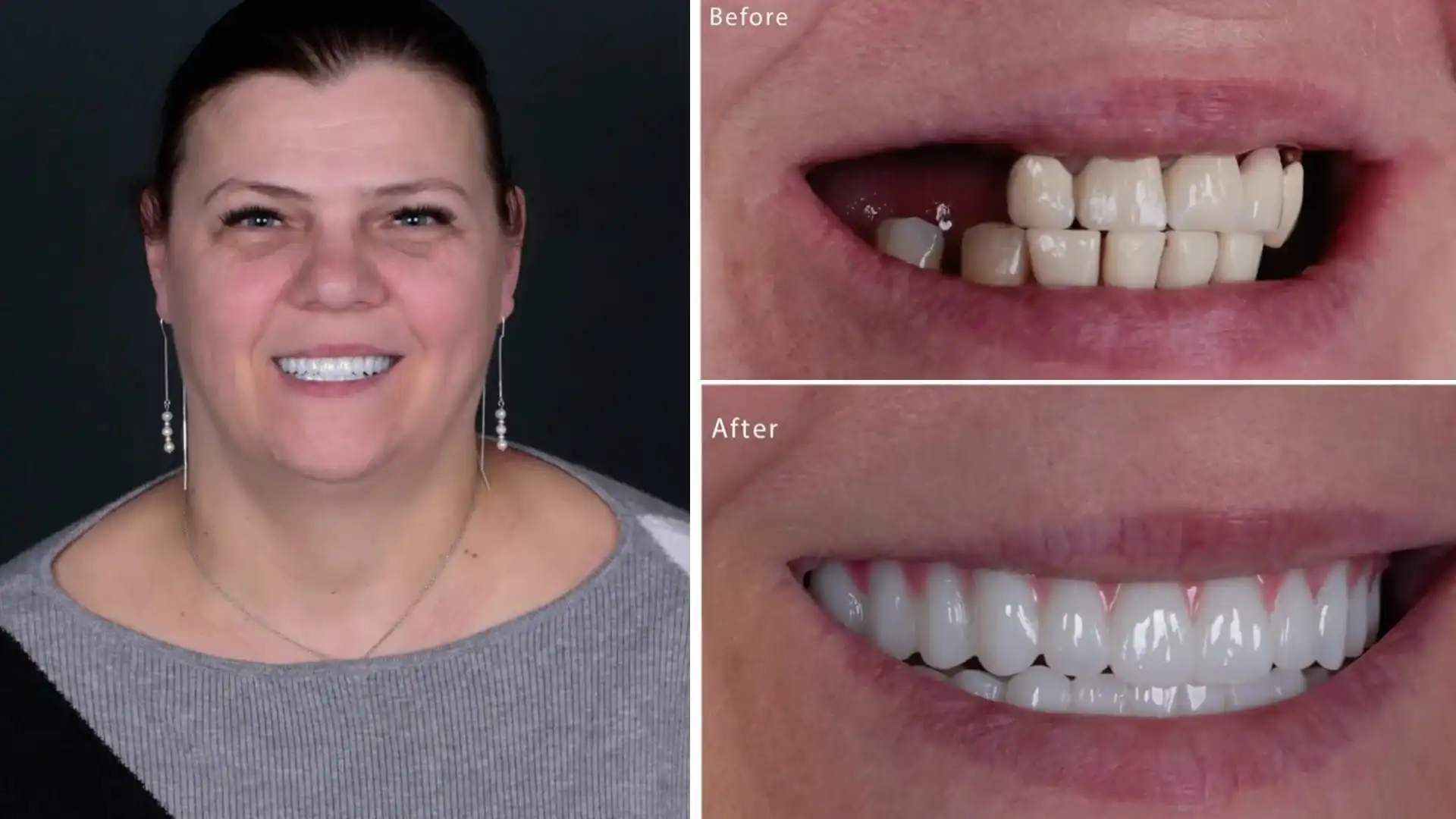
A successful implant treatment depends not only on the surgical procedure but also on the subsequent aftercare. If you'd like a reliable assessment regarding dental implant treatment in Antalya, Medical Dental Turkey – with its team of experienced dentists – can help ensure your implants remain healthy for many years to come through a personalised treatment plan and regular follow-up care.
Frequently Asked Questions
Can a loose dental implant be saved?
Yes, in most cases it can be saved. Particularly if the problem is detected early and the loosening is limited to the crown (the visible part of the tooth) or the abutment (the connecting piece), treatment is usually completed within a short time. However, if the body of the implant within the bone is moving, a more comprehensive treatment plan may be required.
Are dental implants really long-lasting?
With proper planning and regular maintenance, dental implants are among the longest-lasting dental treatments. Provided good oral hygiene is maintained and routine check-ups are not missed, implants can be used healthily for 15 to 25 years, or even longer.
Do dental implants have a high success rate?
Yes, at our Medical Dental Turkey dental clinic, dental implants have a success rate of over 95 per cent. Success depends on factors such as the quality of the jawbone, correct surgical planning, the implant system used, and the patient's commitment to oral care.