
What to expect after your procedure?
After all-on-6 implant procedure you usually notice swelling, mild pain, bruising and a little bleeding for the first few days. Your mouth may also feel tight, and chewing may be unusual at the beginning. If necessary, you should take painkillers and apply cold compresses and opt for soft foods to help with any potential discomfort. The discomfort will ease day by day. First rule! Call your dentist if the pain gets worse, the bleeding does not stop or the swelling increases.
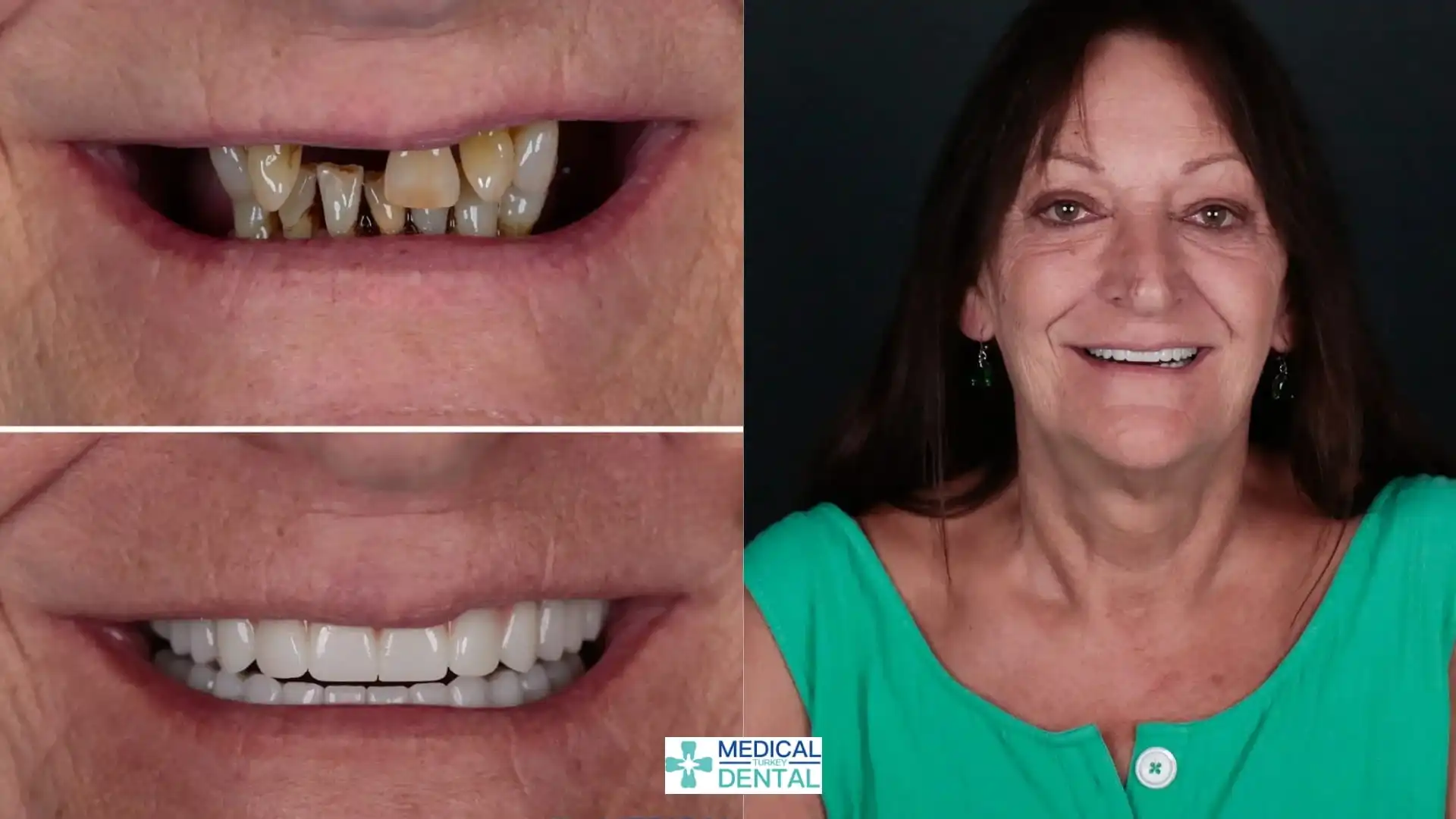
Early all on 6 implant problems: What can go wrong in the first few weeks?
More common problems
- You may see swelling or bruising around your mouth.
- Your gums can feel sore or tender for a few days.
- You may find chewing and speaking a little strange at first.
- Food can collect under the temporary bridge.
- The bridge may feel slightly high when you bite.
- A temporary tooth or screw can sometimes loosen.
- You may notice mild bleeding after brushing or eating.
Less common problems
- Pain may become stronger instead of easing.
- Swelling may increase after the first few days.
- You may develop an infection around an implant.
- One implant may not bond properly with the bone.
- Numbness or tingling may last longer than expected.
- The temporary bridge may crack or break.
- Heavy bleeding may continue longer than it should.
Managing temporary pain, swelling and bruising
Take your pain medicine your dentist prescribed in time. Do not wait until the pain becomes severe. Use a cold pack on your cheek for 10 to 15 minutes especially in first days. After two days, a warm compress is more suitable for bruising and stiffness settle.
Raise your head while you are sleeping to prevent increasing of swelling and pain. For first days, don't eat very hot food, avoid hard chewing and using the operated area.
Do not rinse, spit forcefully or use a straw during the first day, because this can restart bleeding. From the next day, gently rinse with warm salt water.
No smoking, alcohol and heavy exercise during the healing period. Contact your dentist if the pain suddenly gets worse, swelling increases after the third day, bleeding does not stop, or you notice fever, pus or a bad taste.
Long-term complications: Signs of All-on-6 implant failure
Most all on 6 procedures last many years. However, we sometimes observe ongoing pain, bleeding gums, swelling, a bad taste, bone loss or movement in the bridge. These problems do not always mean that the implants have failed. But do not ignore them. An early dental check is important to solve serious problems.
Peri-implantitis: Spotting gum infections early
Peri-implantitis is an infection affecting your gum and bone around an implant. Bleeding during the cleaning, red or swollen gums, a bad taste, discharge or soreness around the bridge are common signs. If you do poor cleaning and smoke, risk increases, especially when food and plaque remain under the bridge. You should call your dentist early, because the infection can damage the supporting bone if it continues.
Mechanical wear: Damaged or loose bridges
Over time, your bridge can chip, crack or feel slightly loose. We also sometimes find a loose screw or worn teeth, especially in patients who grind their teeth or place heavy pressure on one area. Do not chew on a moving or damaged bridge. Your dentist can often tighten, repair or adjust it before the problem affects the implants.
Nerve issues: Persistent numbness or tingling
Local anaesthetic will cause a little numbness after surgery. However, you should care if numbness, tingling, burning or altered feeling continues. In less successful cases, an implant may sit too close to a nerve or the surgery may irritate the nerve. It is better to contact your dentist promptly, especially when the feeling becomes stronger or affects your lip, chin or tongue.
Main causes of All-on-6 implant failure
There are several reasons for failure. Poor cleaning, smoking, missed check-ups, uncontrolled health problems and ongoing bone loss are common habits.
Poor oral hygiene and skipped dental check-ups
Food and plaque usually collect under the bridge if you do not clean it well. Over time, your gums become inflamed and the bone around the implants may start to shrink. So, you should routinely visit your dentist to prevent these possible problems.
Smoking and its impact on bone healing
If you are smoker, blood flow to gums decreases. As a result, your bone around the implant will be harder. It also raises the risk of infection, bone loss and implant failure, even after the first healing period has passed.
Underlying health conditions and natural bone loss
Uncontrolled diabetes, a history of gum disease and some medical conditions can make healing slower and leave the tissues around the implants more vulnerable. Natural bone loss can also reduce support over time, especially when the patient skips regular care or already has weak bone.
When should you see your dentist immediately?
Contact your dentist straight away if:
- Your pain keeps getting worse.
- Swelling grows after three days.
- Bleeding does not stop.
- You notice pus or a bad taste.
- You develop a fever.
- The bridge starts moving.
- A screw or tooth comes loose.
- You cannot bite comfortably.
- Numbness or tingling continues.
- An implant feels painful or loose.
Prevention: How to protect your dental investment
You can help your Antalya all-on-6 implants last longer by doing these things:
- Brush twice a day.
- Clean under the bridge.
- Use an interdental brush.
- Use a water flosser.
- Floss as your dentist shows.
- Do not skip check-ups.
- Book regular professional cleaning.
- Stop smoking.
- Limit alcohol.
- Keep diabetes under control.
- Treat gum problems early.
- Wear a night guard if you grind.
- Avoid biting very hard foods.
- Do not open packages with your teeth.
- Report any movement quickly.
- Do not ignore bleeding gums.
- Choose soft foods after surgery.
- Follow your dentist’s instructions.
- Take medicines as prescribed.
- Keep the bridge clean after meals.
- Check for trapped food.
- Drink plenty of water.
- Eat a balanced diet.
- Avoid too much sugar.
Why choose Medical Dental Turkey for dental implants in Antalya?
At Medical Dental Turkey, we do things a little differently. We take time to listen, explain clearly, and make sure you feel safe and understood from the first step to the last. No rush, no pressure, just honest care.
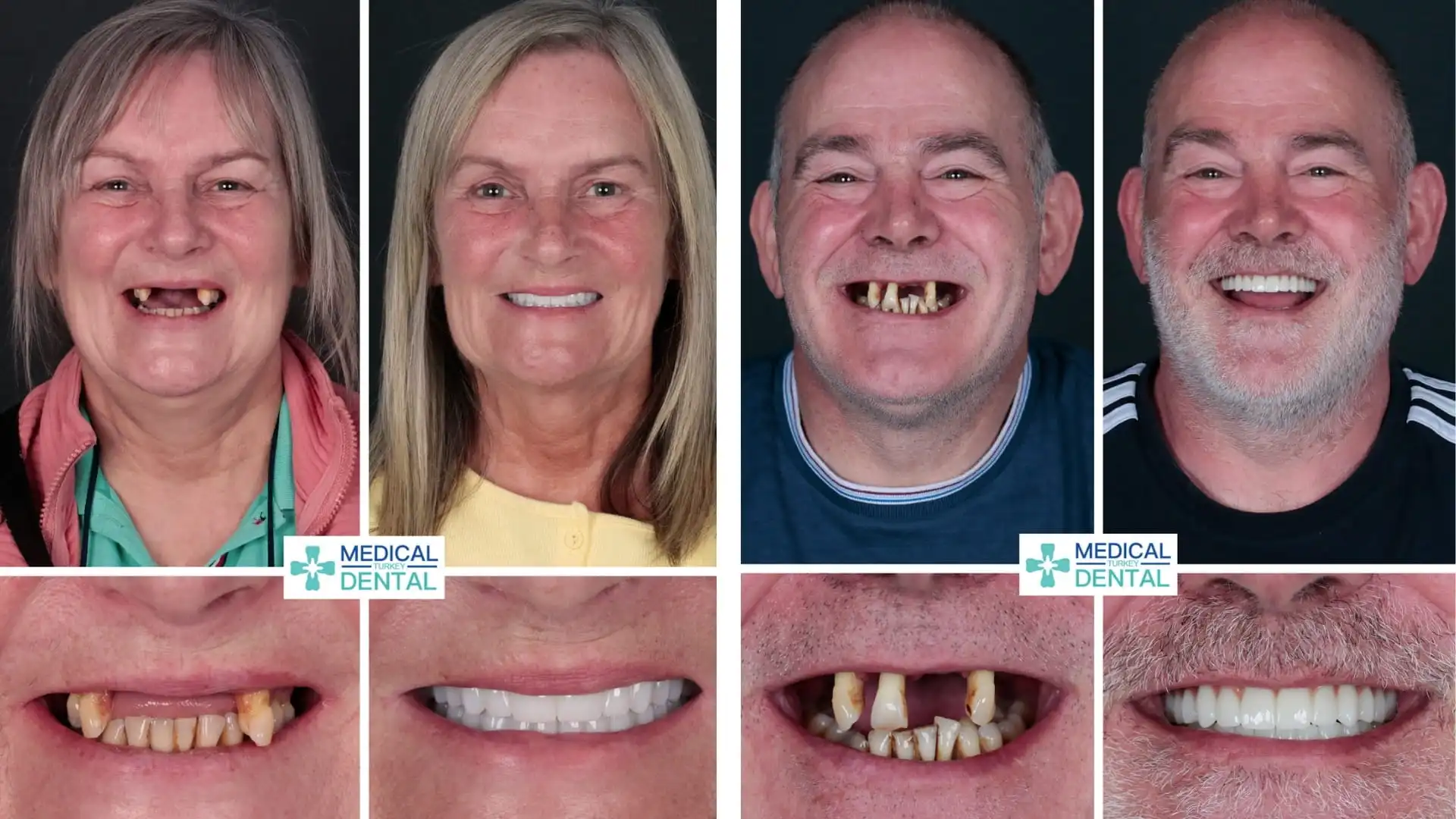
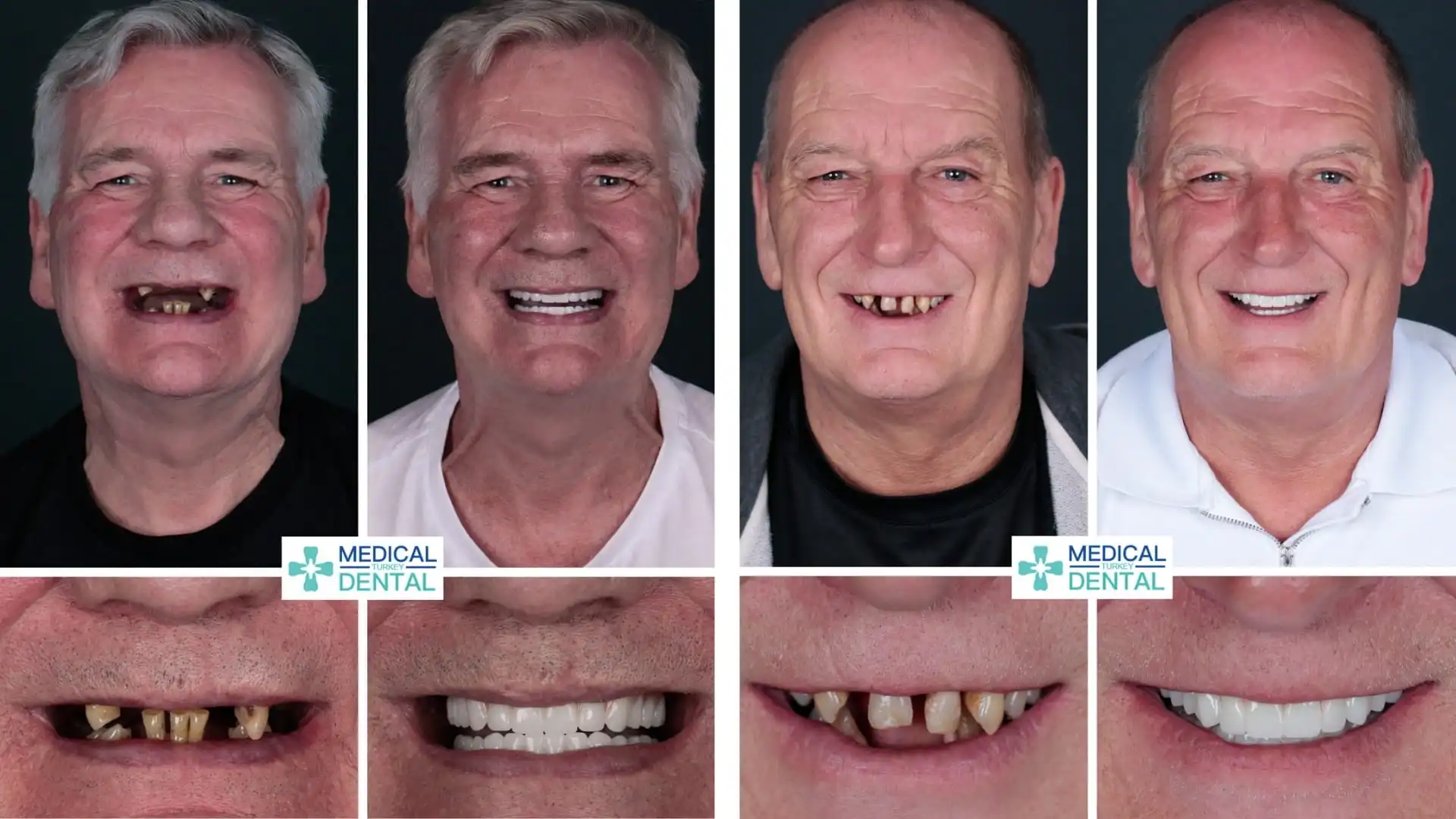
We use modern technology, high-quality materials, and thoughtful planning to give you the best results, whether it’s a small touch-up or a full smile makeover.
Got questions? Want to talk things through?
You can always contact our team.